

ARTICLE 01The Parts That Keep a Bench Staffed Are the Ones Nobody Sizes a Machine For
An SMT line and a radial inserter take the easy part of a through-hole board. What is left over is small in count, awkward in shape, and expensive enough to keep four people at a bench.
Full articles are in English. The summary above carries the argument in your language.
Walk a through-hole department at the end of a shift and look at where the people are standing. They are almost never at the SMT line, which runs itself. They are rarely at the radial inserter, which is loaded with taped parts and cycles on its own. They are at the bench, in front of a rack of bins, picking connectors, relays, transformers and bulk capacitors out of bags and trays, checking which way round each one goes, and pushing the leads through holes by hand.
The count of parts at that bench is always smaller than the count of parts on the machine. That is what makes the bench invisible in a capacity review. A board with two hundred through-hole points may have a hundred and sixty of them on tape and forty in bags, and the forty consume more operator hours than the hundred and sixty. The cost model that counts points will point you at the wrong forty.
The reason is that packaging, not point count, drives manual time. A taped radial part arrives oriented, at a known pitch, in a sequence. A loose part arrives in a bag. The operator has to pick one, identify it, decide its orientation, dress or bend the leads if the body does not sit flat, insert it, and confirm it is seated. Every one of those is a separate motion, and several of them are a separate decision. That is why a bench with forty loose parts can cost more per board than a machine placing two hundred taped ones.
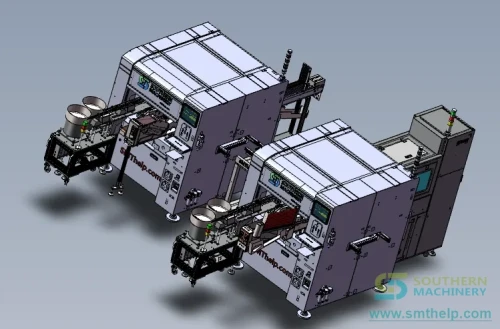
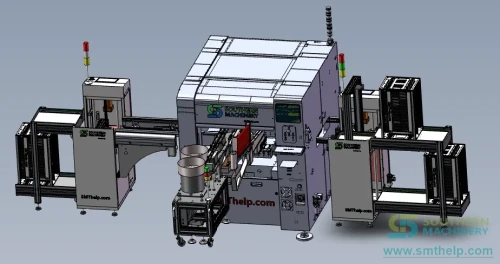
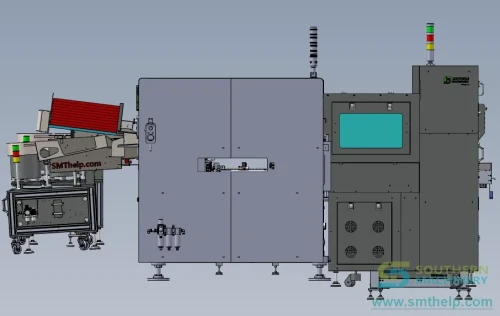
So the sizing question is not how many through-hole points your board has. It is how many of them arrive in a format that no machine in the line can currently feed. On the board analysed on this page — a real customer board, thirty-six through-hole lines — the split came out at twenty-six lines for an odd-form inserter, nine for an axial inserter, and one that stays manual. Sixty-nine percent of the through-hole work was sitting in a format the existing machines could not touch.
That ratio is the number to bring to a capital request. Not the machine's speed, not its footprint, not its accuracy — the proportion of your through-hole labour that is currently unreachable by any machine you own. If the answer is a third, an odd-form project is a capacity project. If the answer is five percent, it is not, and no amount of quotation detail will change that.
Getting the ratio takes one afternoon and no supplier. Take the current bill of materials. Delete everything that is surface-mount. For each remaining line, write down the supply format: loose bulk, ammo pack, tape, tray or tube. Then mark the lines whose format is loose bulk, tray or tube, because those are the ones a taped-only machine cannot take. The marked lines, divided by the total, is your ratio.
Do it for three boards, not one — a high runner, a low runner and the newest design. The newest design is the one that matters most, because it is the one whose layout is still open and whose packaging can still be influenced.
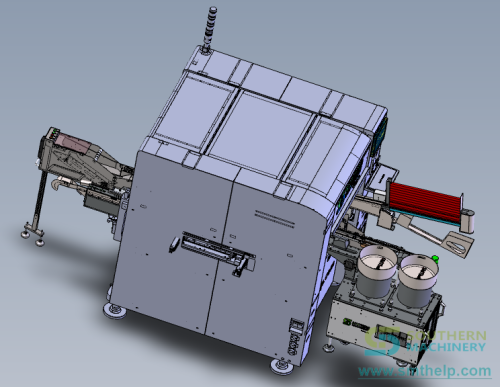
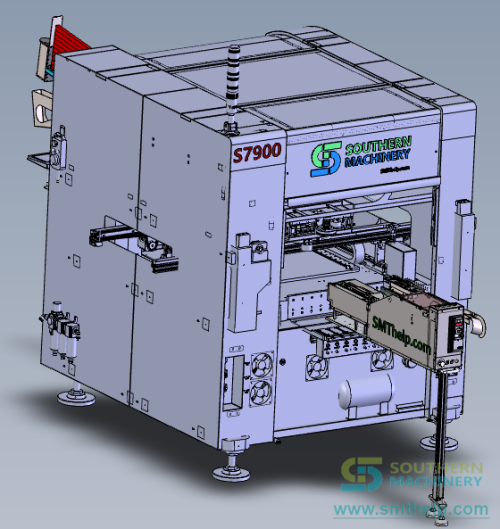
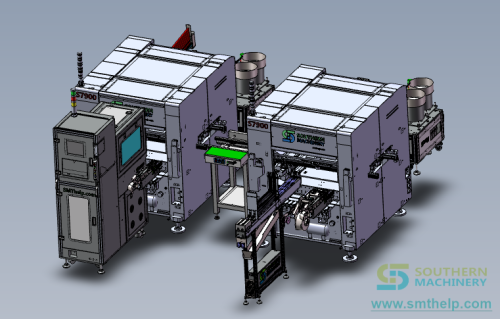
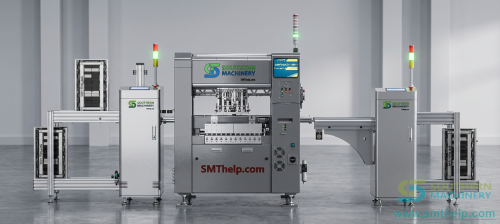
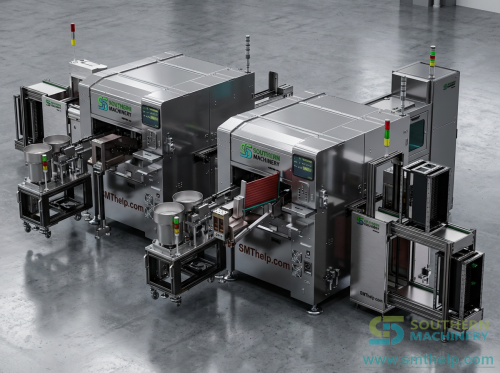
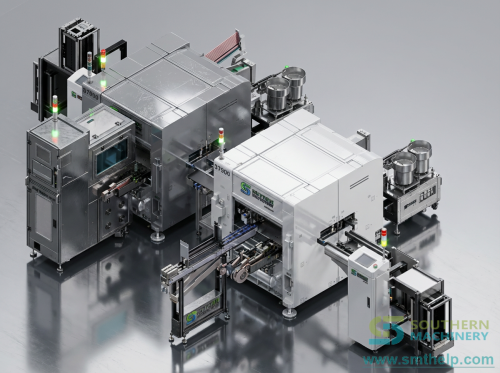
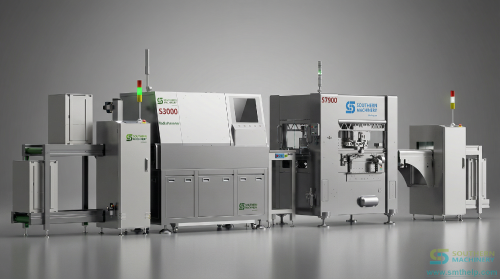
Send us the supply-format column for those three boards and we will tell you which lines an S7900 can take and which should stay where they are. It is a fifteen-minute answer, and it is a much better place to start than a machine quotation.